You have two offers on your desk for the same variety and size, and one is noticeably cheaper. Sometimes that is just a better deal, but often the difference is hidden in details the price list does not show. This checklist helps you compare like with like.
Why prices differ
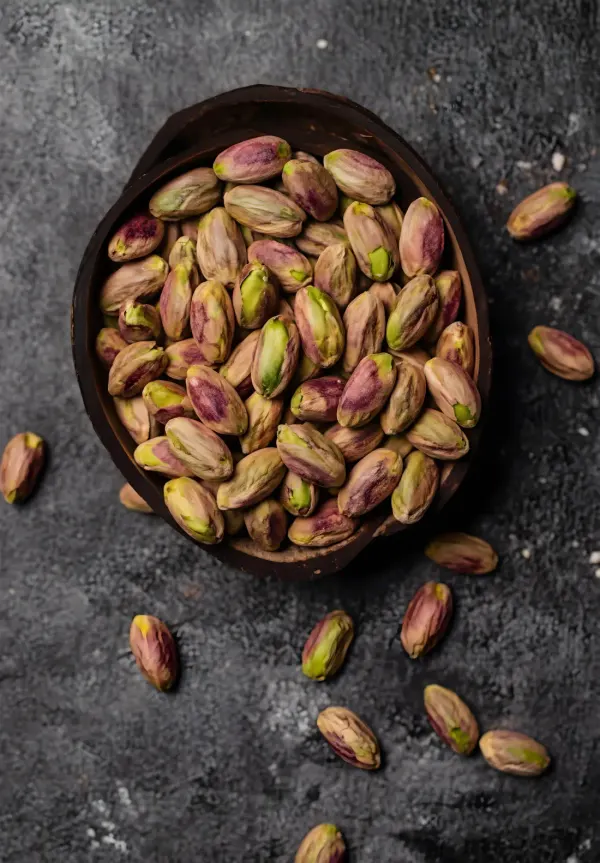
Shell opening. Naturally open nuts are fully developed. Mechanically split nuts usually have smaller kernels, and some lots blend the two. See our guide to pistachio shell types.
Kernel ratio. The share of the weight that is edible kernel varies by variety, maturity and shell type. A lower ratio means you pay for more shell.
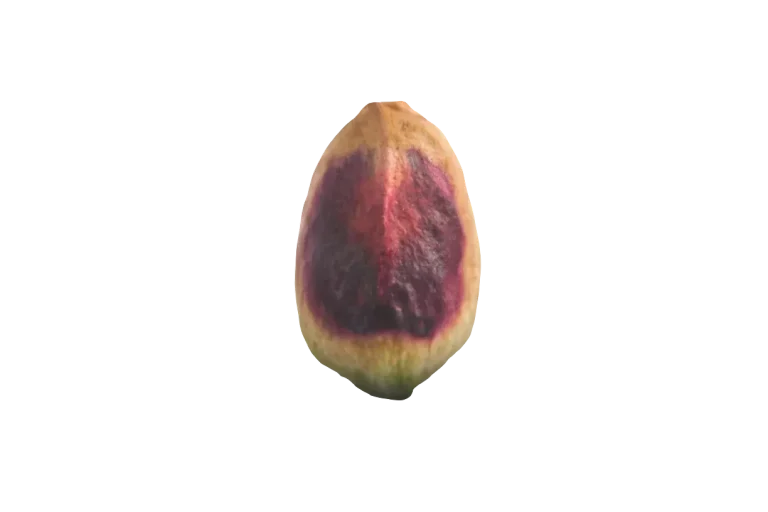
Closed shells, blanks and stains. Every percentage point of closed or empty nuts in an in-shell lot is weight you cannot sell. Stained or stuck-hull nuts lower the grade.
Moisture. Wetter nuts weigh more, which flatters the price per kilo and raises the risk of mould. Look for 5% maximum in-shell and 6% for kernels.
Size uniformity. A lot that strays outside its size band is worth less than a tightly graded one. Read more on how pistachio sizes work.
Crop year and storage. New-crop nuts and nuts stored cool and dry taste fresher than old stock.
Food safety. Testing every lot for aflatoxin costs money, and suppliers who skip it can quote lower. See our guide to aflatoxin limits.
The market itself. Global supply, alternate-bearing years and even the price of almonds move pistachio prices for everyone.
What to check before you buy
- A written spec sheet: variety, size, shell type, moisture, closed shells, defects, aflatoxin limits, packing
- A representative sample of the actual lot, not a showroom sample
- Lab results for moisture and aflatoxin, per lot
- Crop year and storage conditions
- Packing and labelling that meet your market’s rules
- References or a trial order before committing to large volumes
Export documents to expect
A typical pistachio export from Iran comes with:
- Commercial invoice and packing list
- Certificate of origin
- Phytosanitary certificate
- Health or sanitary certificate
- Laboratory analysis (moisture, aflatoxin)
- Bill of lading or other transport document
Pistachios are classified under HS code 0802.51 (in shell) and 0802.52 (shelled), which your customs broker will need.
Shipping terms
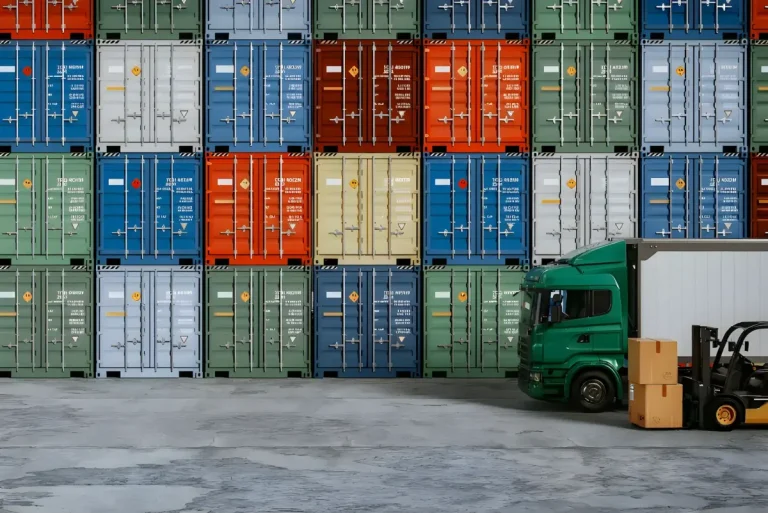
Most offers are quoted FOB (you arrange freight from the port of loading), CFR (the supplier pays freight to your port) or CIF (freight plus insurance to your port). Make sure two offers use the same term before you compare prices.
Working with us
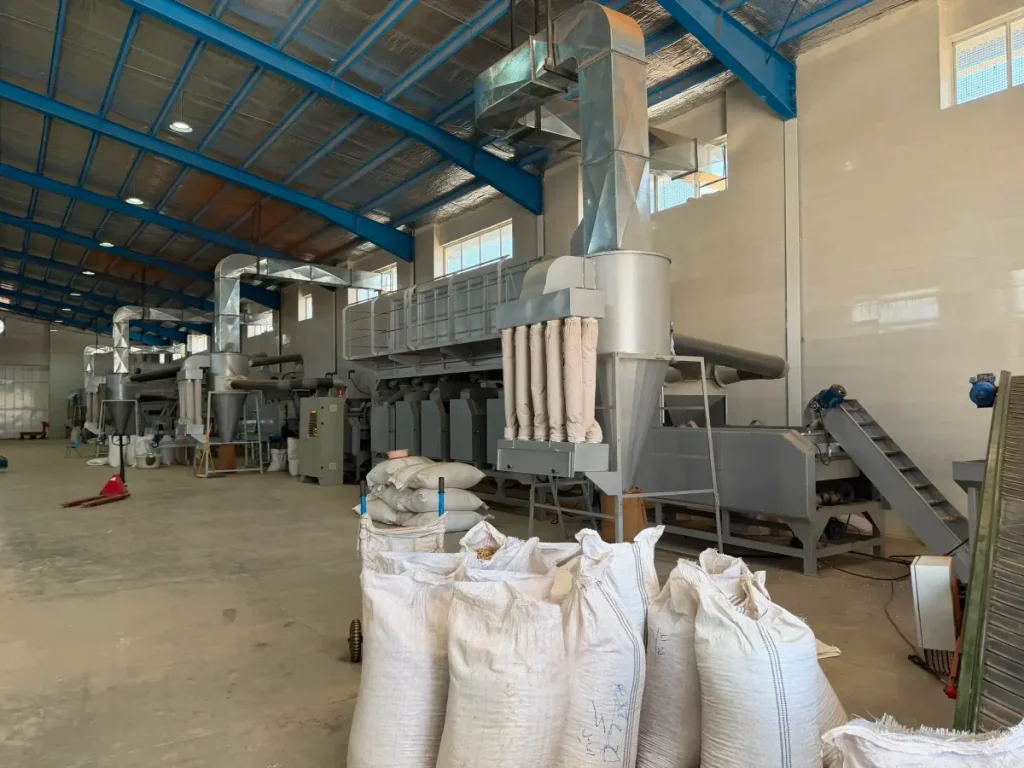
We supply raw in-shell pistachios and kernels at every scale, from a single case to full container loads, with every batch tested in-house and FOB, CFR and CIF terms available. Request a quote or a sample and compare us against your current supplier.