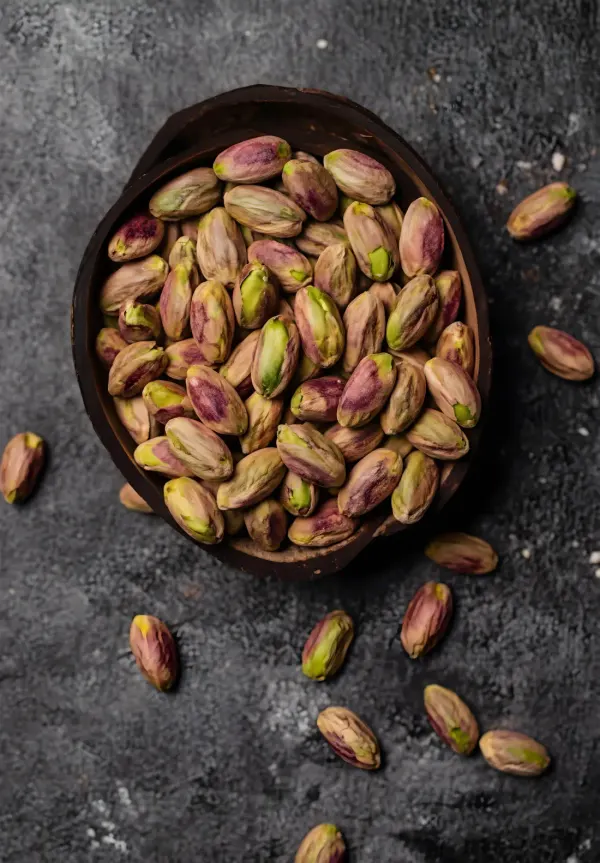
Pistachios are now grown on several continents, but the tree’s story starts in the dry highlands of Iran and Central Asia. That origin still shows in the character of Iranian nuts, and it is why many buyers keep Iranian pistachios in their range even when other origins are cheaper.
Where the pistachio comes from
The pistachio tree, Pistacia vera, belongs to the same family as the cashew and the mango. Wild trees grew across Central Asia, and it was on the Iranian plateau that people first selected and improved them. From there the crop travelled west to Syria, Türkiye, Greece and Sicily. Large commercial orchards in places such as California only appeared from the 1970s onward.
A climate made for the tree
Iranian orchards sit roughly 800 to 2,000 metres above sea level, in regions with long, hot, dry summers, cold winters and big differences between day and night temperatures. The tree is unusually tolerant of drought and salty soil, and these demanding conditions are part of what gives the nuts their concentrated flavour. The province of Kerman, home to Rafsanjan, holds roughly half of Iran’s bearing orchards.
More kernel in every nut
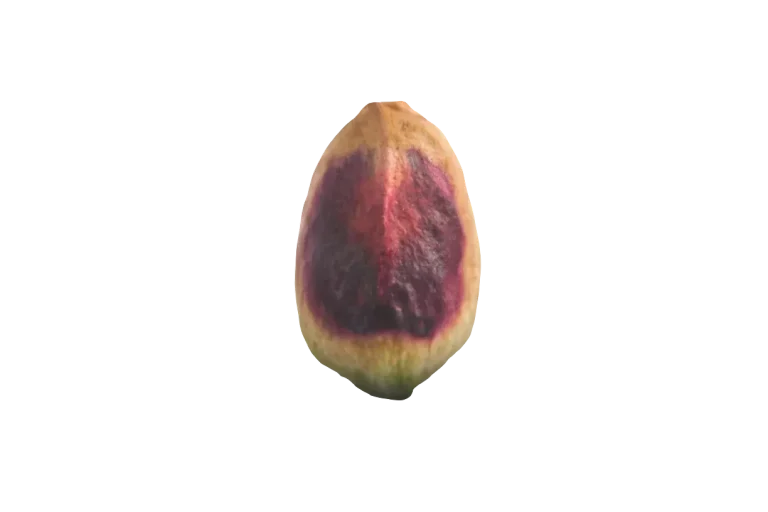
Iranian pistachios are known for a high proportion of edible kernel, estimated at around 10% more than many other origins. For a buyer, that means more usable product per kilo of in-shell nuts.
Flavour that survives the roaster
Iranian nuts carry a high share of unsaturated oil, which gives them a full, rich taste. That oil profile also lets them tolerate roasting at roughly 160 to 180 °C. High-temperature roasting deepens the flavour and also reduces surface bacteria.
A wide variety range
With more than sixty recorded cultivars, Iran offers a choice of shapes that few other origins can match. Four of them lead the trade: round Fandoghi and Kalleh Ghouchi, and long Ahmad Aghaei and Akbari. The very long Akbari type is grown almost nowhere else and is sought after in Europe, Russia and East Asia. You can compare all four in our guide to Iranian pistachio varieties.
Many growers, competitive prices
Iranian production comes from a large number of independent orchards rather than a handful of giant farms. That broad base keeps the market competitive and gives buyers a range of grades and price points.
Rafsanjan: the heart of it all
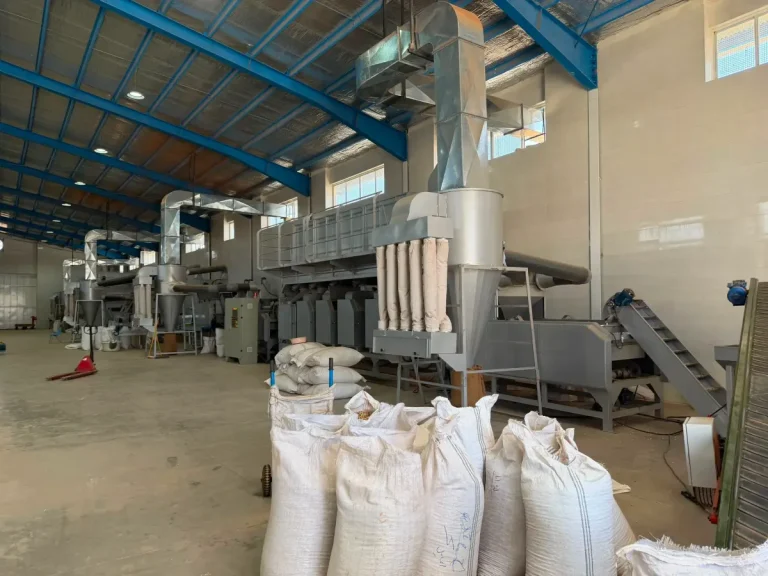
Rafsanjan, in Kerman province, is often called the pistachio capital of Iran. Our own orchards and processing are here, which lets us control quality from the tree to the container. Read more about our story, or see the varieties we supply on the Products page.