Ask any experienced pistachio importer what keeps them up at night, and the answer is usually aflatoxin. It is invisible, it is strictly regulated, and a single failed test can stop a container at the border. The good news is that it is also well understood and largely preventable.
What aflatoxin is
Aflatoxins are natural toxins produced by certain moulds, mainly Aspergillus flavus and Aspergillus parasiticus. There are four main types, B1, B2, G1 and G2, and B1 is the most harmful. Because long-term exposure is a health risk, food authorities set strict maximum levels for nuts.
How it gets into pistachios
The moulds need an entry point and moisture. The main risk factors are:
- Early split: the shell splits while the hull is still attached and damaged, exposing the kernel
- Damaged hulls: from insects, birds or rough handling
- Delay after harvest: moist hulls left sitting for hours or days
- Ground contact: nuts that fall and stay on the soil
- Poor drying or damp storage: moisture above safe levels lets mould grow later
The limits buyers work to
The European Union sets some of the strictest rules in the world. Under Regulation (EU) 2023/915, pistachios sold to consumers or used as a food ingredient may contain at most:
| Aflatoxin | Maximum level |
|---|---|
| B1 | 8 µg/kg |
| Total (B1 + B2 + G1 + G2) | 10 µg/kg |
Many other markets use similar or slightly higher limits, so working to the EU levels is a sensible default for any export programme.
How it is controlled
In the orchard and at harvest: timely, fast harvesting, keeping nuts off the ground, and moving them to the processing line the same day.
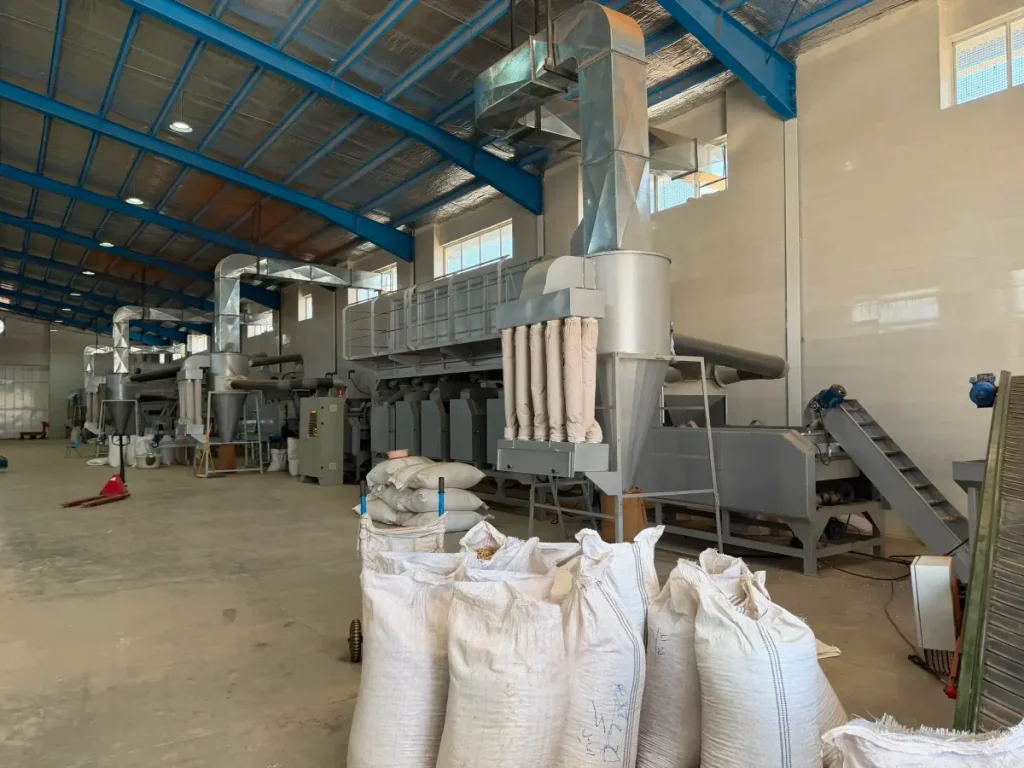
During processing: prompt hulling, drying to below 5% moisture, and sorting out stained, damaged or suspect nuts. Contamination tends to be concentrated in a small number of nuts, so careful sorting removes much of the risk.
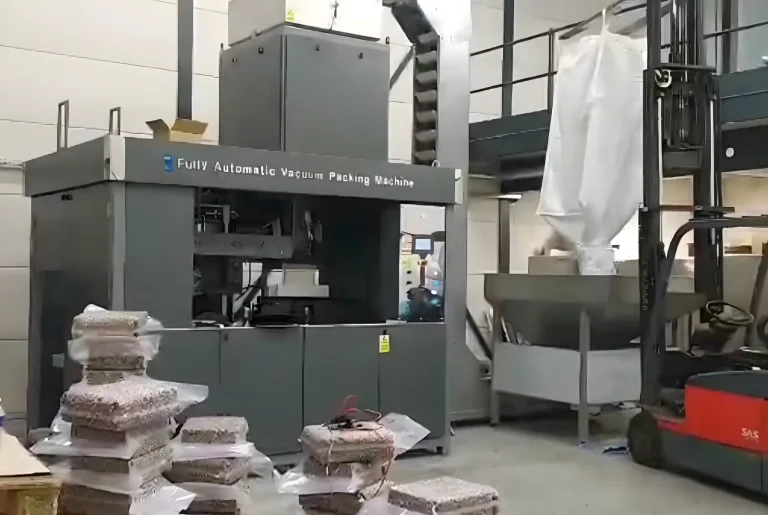
In storage and transport: cool, dry, ventilated conditions and sealed packaging so nuts cannot pick up moisture again.
In the lab: representative sampling and testing of each lot before shipment, with results documented.
What to ask your supplier
- Do you test every lot for aflatoxin, and can I see the results?
- What limits do you guarantee: EU levels or others?
- What is the moisture of the lot, and how is it stored before shipping?
- Can I have a pre-shipment sample tested by my own lab?
At Pure Pistachio, every batch is tested in-house for moisture, aflatoxin and grade, and we supply within EU limits. Results are shared on request. Read more about our process on the About page, or request a spec sheet.